Hi there, welcome to our site, we are your complete phd guidance spot, where you can expect a high quality work. Your work will be secured since we neither have tie-up with any university nor
outsource your work. We don't share your details with other clients. The person next to you might also be our client, but you may not know... we are that confidential. And our employees are full-time
workers.
It is a network of physical objects or things embedded with sensors, software, and other sensors. This page encompasses the details we include in the paper presentation on IoT. It utilizes a range of technologies to
bridge the digital and physical worlds. These are physical objects embedded with sensors, processing ability, and network connectivity. It facilitates the collection and exchange of data with other devices and
systems over the internet. It helps to enable communication with other devices and networks, often through Wi-Fi, Bluetooth, or cellular networks.
TYPES OF IoTs
There are a total ‘4 types of IoTs. They are,
Consumer IoT
01. Smart home devices
02. Wearables
03. Personal medical devices
Commercial IoT
01. Healthcare
02. Transportation
Industrial IoT
01. Manufacturing
02. Energy
Infrastructure IoT
01. Smart cities
02. Agriculture
TOP 5 MOST POPULAR IoT DEVICES
August doorbell cam
It is a smart doorbell camera that allows smart home owners to see and speak with visitors at their front door from anywhere using their smartphones.
August Smart Lock
It is a type of smart lock that upgrades your existing deadbolt. It allows you to control your door lock via a smartphone app, voice commands, and other smart home integrations.
Foobot
It is an indoor air quality monitor. Foobots use sensors and monitors that track pollutants like particulate matter, volatile organic compounds, and humidity.
Amazon Echo plus voice controller
It is another popular and reliable IoT device on the market. It provides enabled services like answering phone calls, setting timers, climate checking, alarms, and more.
Google Home voice controller
It is the most popular IoT device today. It provides voice-enabled services like alarms, lights, thermostats, volume control, and more.
Get price quotes for IoT paper presentation assistance & talk with experts in the IoT domain
INDUSTRIES USING IoT TECHNIQUES
In the paper presentation on IoT, we will include all the details about IoT. We include an overview of IoT devices, types of IoT devices, applications, risks, challenges, the future, the importance of IoT,
and more. Here, we have included the applications of IoT.
Healthcare
In the healthcare industry, IoT devices can be used to monitor patients remotely. It is used to collect real-time data such as heart rate, blood pressure, and oxygen saturation. IoT devices can be
used to track medical equipment.
Manufacturing
Industrial IoT devices will be used in manufacturing and monitoring the performance of the machine. It helps to detect equipment failure and optimize the production process. IoT devices can be used to
track inventory, manage supply chains, and more.
Retail
IoT devices can be used to track customer behaviour. Helps to monitor inventory levels and optimise store layouts. IoT devices can also be used to monitor inventory levels.
Agriculture
IoT devices can be used in Agriculture to monitor soil conditions, weather patterns, crop growth, and more. IoT sensors can be used to check the moisture content in the soil. It ensures that crops are
irrigated at the optimal time.
Transportation
IoT devices can be used to monitor vehicle performance. It helps to optimise routes and track shipments. Sensors can be used to monitor the fuel efficiency of connected cars, reducing fuel costs and
improving sustainability.
Public sector
IoT applications are used to address many real-world issues. It involves traffic congestion, city services, economic development, citizen engagement, public safety, and security.
CATEGORY OF IoT TOPICS WE FREQUENTLY WORK WITH
Smart Home Devices
Voice Control
Home Security
Smart Parking
Traffic Management
Environmental Monitoring
Smart Waste Management
Remote Patient Monitoring
Medication Management
Emergency Response
Predictive Maintenance
Smart Manufacturing
Security and Privacy
Home automation system
Smart gas leakage detector bot
Smart agriculture system
Health monitoring system
RISK AND CHALLENGES IN IoT
IoT offers so many benefits. It also has several risks and challenges. Here, we have given some of the risks and challenges. They are,
Security & privacy risks
Security & privacy become increasingly important for IoT devices. These devices will increasingly collect a higher amount of personal details. The security issues may result in weak authentication and
authorisation, lack of encryption, firmware, and software vulnerabilities, botnet attacks, supply chain attacks, and more.
Interoperability issues
The interoperability issues can hinder the full potential of IoT. It leads to increased cost, complexity, and slower adoption.
Data overload
Data overload in IoT devices poses a significant risk due to the massive amounts of data generated that can overwhelm existing infrastructure and security systems.
Cost & complexity
A single security breach can cost millions of dollars. Failures in mission-critical IoT devices can lead to much greater losses. High bandwidth can interrupt business operations.
Regulatory & legal challenges
IoT devices generate and transmit a large amount of sensitive data. It raises concerns about user privacy and the potential for data breaches.
How do we prepare your Paper for IoT Topics?
An effective IoT presentation should clearly explain what the Internet of Things (IoT) is, its key components, and its applications. It will address the challenges and future trends in the field. It must
contain infographics, diagrams, and some real-world examples. You must include the following while starting to prepare your paper.
INTRODUCTION
Define IoT
It starts by clearly defining the Internet of Things as a network of physical objects embedded with sensors.
Brief History
We will briefly explain the history and evolution of IoT and highlight the key milestones.
Importance of IoT
We will explain why IoT is important in day-to-day life and explain the key milestones of IoT.
KEY COMPONENTS OF IOT
Sensors & devices
These devices are crucial for the automation of various systems. Explain how sensors collect data from the physical world.
Connectivity
We will include the various communication technologies of IoT, such as WiFi, Bluetooth, cellular, and more.
Data processing
Explain how data is processed either on the edge or in the cloud. It must explain the role of platforms like cloud computing.
APPLICATIONS OF IoT
Smart Cities
It works by connecting various devices and appliances to the internet. It allows them to communicate and control remotely through automated processes.
Agriculture
They act as interconnected sensory devices to collect real-time data on various aspects of farming operations. It acts as a central system for analysis, enabling farmers to make informed decisions about irrigation,
fertilization, pest control, and more.
Smart Homes
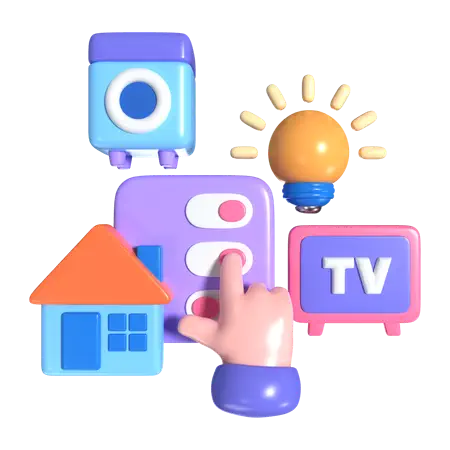
It allows thermostats, lights, security cameras, and appliances. These are equipped with sensors. It also acts as a voice assistant. IoT also acts as kitchen appliances, smart lighting, and more.
Healthcare
It offers a wide range of applications in healthcare. It involves continuous monitoring, improves chronic disease management, enhances patient engagement, and more.
Industrial IoT
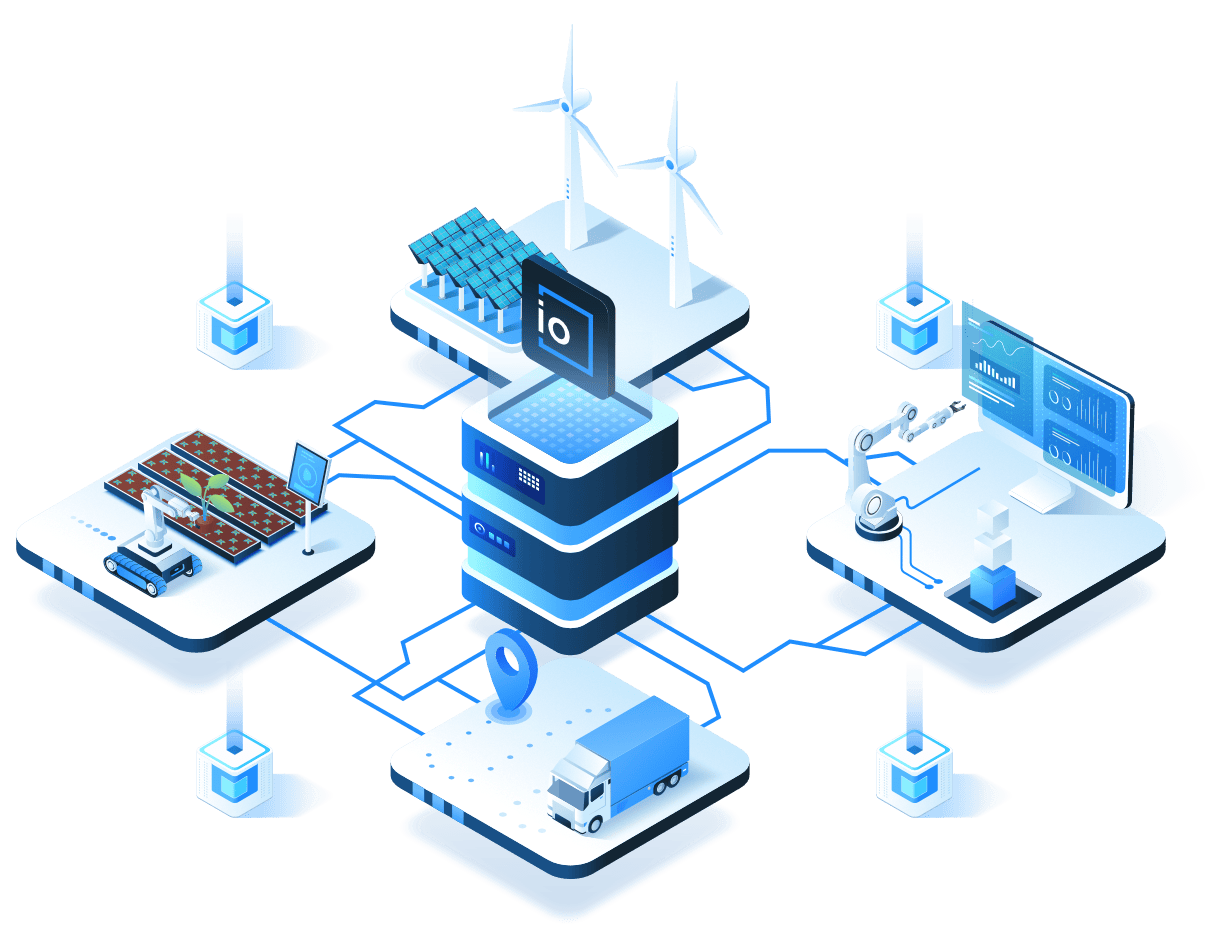
It encompasses a wide range of areas such as predictive maintenance, industrial automation, remote monitoring, supply chain automation, and asset tracking.
FREQUENTLY ASKED QUESTIONS
01. Do you have in-house experts for preparing my paper on IoT?
Yes. We have a specified domain expert for IoT. Every subject-related document will be prepared by the particular expert on our team.
02. What is an approximate price for an IoT paper?
Price and other details will vary based on the customization and other requirements. You can check your prices for the IoT paper. You can reach us by dialing
+91 86-8101-8401 or emailing researchguidance@higssoftware.com.
03. How many slides will you prepare for a PPT?
You can get unlimited slide preparation from our team based on your request.
04. Can I have a free technical discussion for PPT?
Yes. You can. Our team is available here to provide a free technical discussion with experts. You can have a free discussion based on your convenience.
05. Will you provide me with a complete explanation regarding the prepared paper?
Yes. We will. Our team will provide a complete explanation regarding the prepared paper, which will help you during the presentation time. You can also hire us anytime to clarify all your doubts.
Our team is here for your end-to-end PhD research guidance. We will help you in preparing a paper on IoT. You can get instant help by dialing +91 86-8101-8401 & email through
researchguidance@higssoftware.com. We are ready to help you always!